

Endulen e.V.
Wofür und warum engagieren wir uns? Wo wurden wir gegründet?
Wofür engagieren wir uns?
Endulen e.V. setzt sich für eine Verbesserung der medizinischen Versorgung in ländlichen Regionen in Tansania ein. Wir engagieren uns insbesondere in den Bereichen Basisgesundheitsversorgung und Mutter-Kind-Gesundheit. Unsere Projekte lassen sich dabei in die Bereiche Ausstattung, Ausbildung, Infrastruktur und Gesundheitsbildung unterteilen.

Medizinische Ausstattung
Für eine zuverlässige medizinische Versorgung braucht man gutes und robustes Equipment. Wir unterstützen dabei sowohl größere Projekte wie die Finanzierung eines neuen Ultraschallgerätes als auch kleinere Anschaffungen wie zum Beispiel den Kauf von neuem OP-Besteck für kleinere Krankenstationen.

Ausbildung von medizinischem Personal
Genauso wichtig wie eine gute medizinische Ausstattung ist die Beschäftigung von qualifiziertem Personal. Aufgrund des Fachkräftemangels im ländlichen Raum und den hohen Studienkosten unterstützen wir engagierte junge Menschen durch Stipendien.

Gesundheitsbildung
Als Teil unseres Klinikpartnerschaftsprojektes in Endulen werden in den umliegenden Schulen Einheiten zum Thema Menstruation und Pubertät durchgeführt und gleichzeitig wiederverwendbare Menstruationskits verteilt. Das Ziel dabei ist es, Mädchen und Frauen die Teilnahme am gesellschaftlichen Leben auch während ihrer Periode zu ermöglichen.

Infrastrukturprojekte
Fließendes Wasser und eine zuverlässige Stromversorgung sind elementar für jede Gesundheitseinrichtung, aber leider nicht selbstverständlich. Wir unterstützen die Installation von entsprechenden Systemen genauso wie die Renovierung und in Ausnahmen den Bau von Gebäuden. So wurde zum Beispiel die Erneuerung der Solaranlage im Endulen Hospital von uns finanziert.
Warum engagieren wir uns?
„Wer krank ist, geht zum Arzt und wird behandelt.“
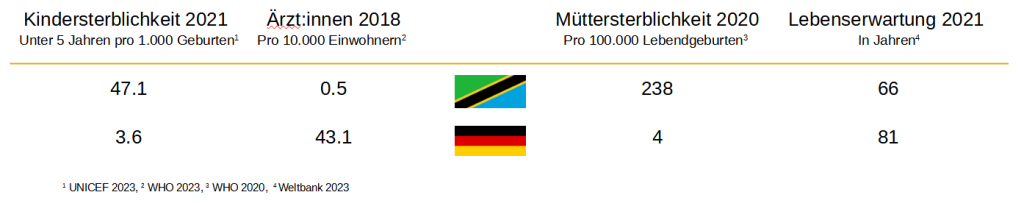
Diese Selbstverständlichkeit gilt für viele Regionen auf dieser Welt wie auch für Tansania nur eingeschränkt. Häufig sind vor allem in ländlichen Regionen die Wege bis zur nächsten Gesundheitseinrichtung sehr lang, es fehlt an geschultem Personal, an medizinischer Ausstattung und an Medikamenten. Für die Menschen vor Ort bedeutet dies häufig vermeidbares Leid, dessen Folgen vor allem im Vergleich zu Ländern wie Deutschland sichtbar werden: So ist die Kinder- und Müttersterblichkeit deutlich höher, die Ärztedichte geringer und insgesamt die Lebenserwartung kürzer.
Vereinshistorie
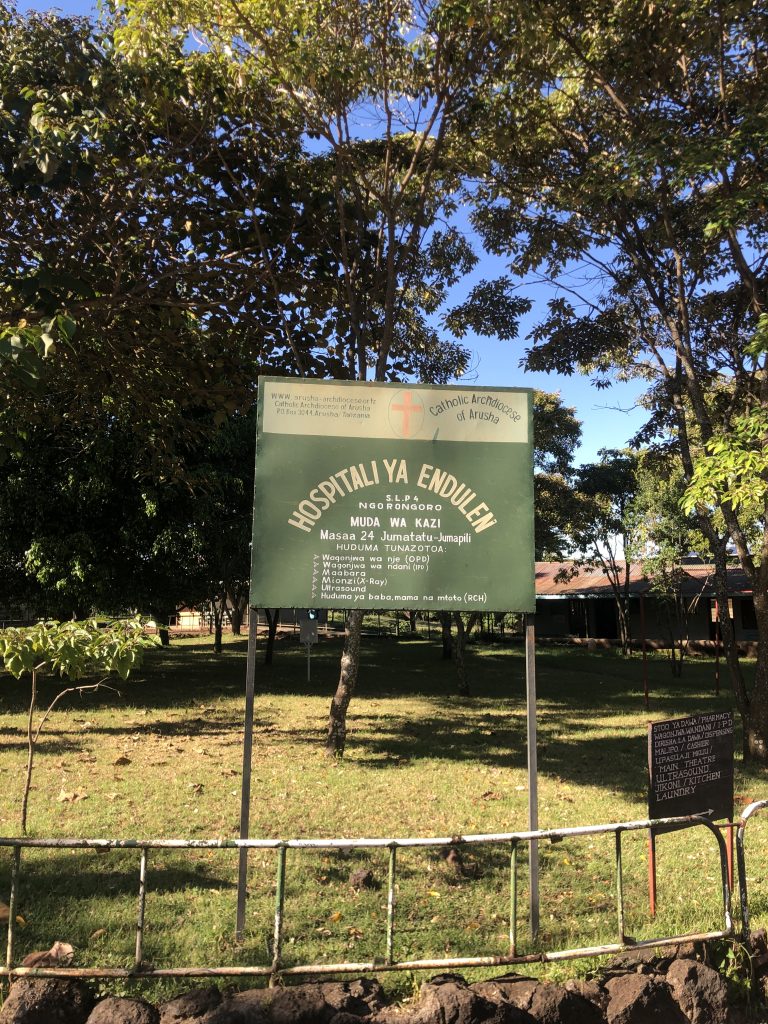
Endulen e.V. wurde 2008 von Dr. Florian Schneider und Dr. Maria Dillmann mit dem Ziel gegründet, die Ausstattung und Infrastruktur des Endulen Hospitals im Norden Tansanias zu verbessern.
Endulen Hospital liegt innerhalb des Ngorongoro Conservation Areas, einem Naturschutzgebiet an der Grenze zur Serengeti. In dem ländlichen Gebiet ist es das einzige Krankenhaus und daher entscheidend für die Gesundheitsversorgung von über 80.000 Menschen.
Durch vielfältiges Engagement entwickelte sich der Verein, sodass auch Projekte an neuen, kleineren Standorten umgesetzt werden konnten. Neben Infrastruktur und Ausstattung begannen wir mit der Förderung von Aus- und Weiterbildungen, um dem gravierenden Fachkräftemangel gerade in ländlichen Regionen entgegenzuwirken.